
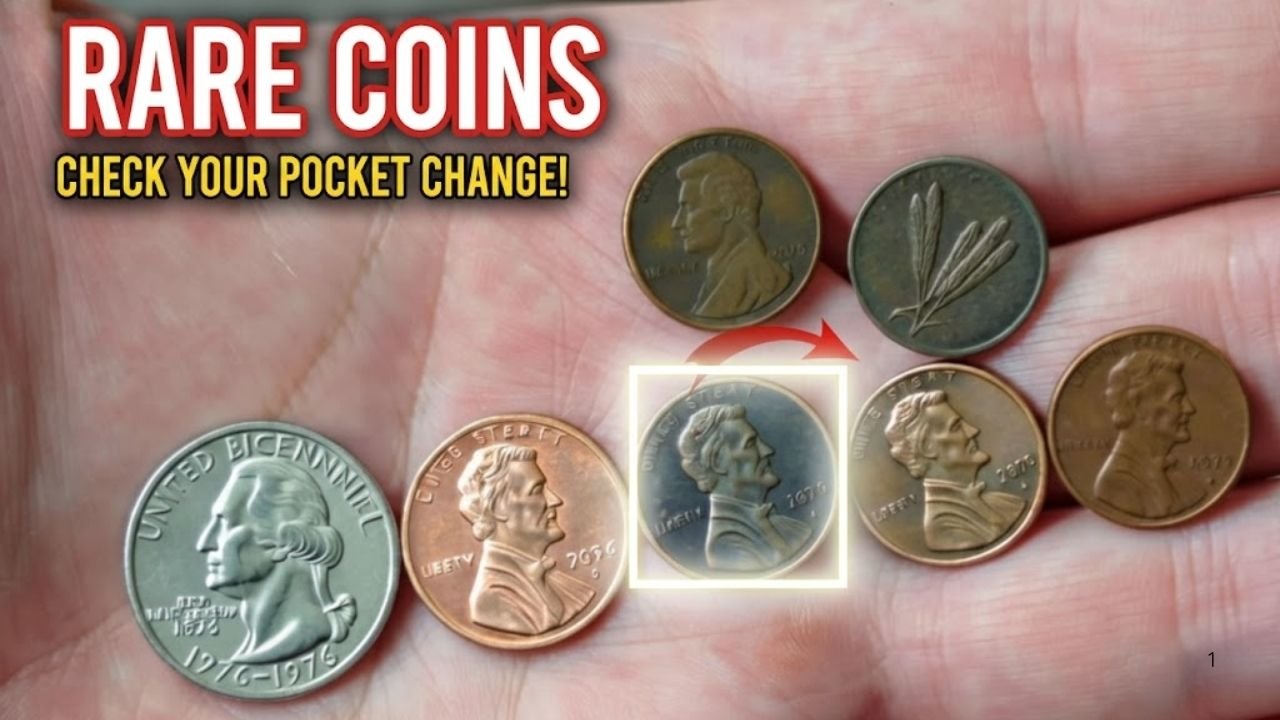
Over the last decade, Wheat pennies have skyrocketed in popularity, transforming from everyday copper coins into prized collectibles. With rare varieties making headlines at major auctions and hobbyists discovering valuable pennies in old jars and forgotten boxes, the market for Wheat pennies has never been stronger. This guide breaks down how Wheat penny values have changed, why prices surged, and how you can identify valuable coins hiding in your home.
How Wheat Penny Values Rose in the Last 10 Years
Wheat pennies have seen incredible growth because of several major trends:
- Rising demand from newer and younger collectors
- Global interest in U.S. coinage
- Viral discoveries of rare pennies
- Record-breaking auction sales
- Increased attention on mint errors and rare dates
- High premiums for certified coins from PCGS and NGC

This decade-long momentum has positioned Wheat pennies as one of the hottest categories in numismatics.
Why Wheat Penny Prices Increased
Growing Online Communities
Social media, YouTube coin channels, and online collector groups have created massive interest in rare Wheat pennies.
Economic Uncertainty
More collectors turned to tangible assets like rare coins, boosting demand and prices.
Discoveries of Rare Errors

Unusual varieties—misprints, doubled dies, and off-metal strikes—have captured attention and often sell for thousands.
High Auction Visibility
Frequent coverage from major auction houses increased awareness of record-setting Wheat penny prices.
How to Identify a High-Value Wheat Penny
Look closely—small details can make a huge difference.
What to Check
- Date & Mint Mark: Rare years like 1909-S VDB or 1914-D
- Mint Errors: Doubled dies, missing mint marks, off-center strikes
- Surface Quality: Higher-grade coins bring higher premiums
- Die Cracks or Repunched Mint Marks
- Weight & Metal: Special variants like the 1943 bronze cent
Important Tip

Never clean a coin—cleaning destroys value instantly.
Top Wheat Pennies That Increased the Most in Value
Here are the biggest gainers of the past decade:
- 1909-S VDB Lincoln Penny
- 1914-D Lincoln Penny
- 1922 No D Wheat Penny
- 1931-S Lincoln Penny
- 1943 Bronze Planchet Error Penny
- 1955 Doubled Die Obverse
- 1944 Steel Wheat Penny
- Rare off-metal and striking-error pennies
Many of these coins now sell for thousands—and sometimes even millions—when found in high grades.
Where People Found Rare Wheat Pennies
Collectors discovered high-value pennies in surprising places:
- Old glass jars full of pennies
- Family inheritances and estate boxes
- Garage sales and flea markets
- Antique stores and thrift shops
- Forgotten safe deposit boxes
- Bank rolls sorted by hobbyists
Many of the most valuable finds came from completely ordinary places.
Authentication and Grading Trends
Certification became essential as values rose. The top grading services include:
- PCGS – Professional Coin Grading Service
- NGC – Numismatic Guaranty Company
- ANACS – Good for verifying errors
Certified pennies consistently sell for more because buyers trust their authenticity and grade.
How to Sell Valuable Wheat Pennies
If you think you have a valuable coin, consider:
- Auction houses specializing in U.S. coins
- Trusted local or online coin dealers
- Direct sale to private collectors
- National coin shows
- Certified online marketplaces
Always grade the coin before selling—grading can significantly increase value.
FAQs
1. What Wheat penny is worth the most money?
The 1943 bronze penny and the 1955 doubled die are among the most valuable, often selling for hundreds of thousands.
2. Are Wheat pennies still found in circulation?
Yes, but rarely. Most finds come from old collections or coin jars.
3. How can I tell if my Wheat penny is rare?
Check the date, mint mark, and look for unusual features like doubling or missing marks.
4. Should I clean my Wheat pennies?
No—cleaning destroys collectible value and lowers resale prices.
5. Do error pennies really sell for a lot?
Absolutely. Certain errors can turn a 1-cent coin into a multi-thousand-dollar treasure.
Conclusion
The past decade has turned Wheat pennies into some of the most exciting and valuable U.S. coins to collect. With rising demand, historic auction results, and a flood of new collectors entering the hobby, their value is stronger than ever. Whether you’re exploring a family coin jar or inspecting pennies from an old roll, your next life-changing discovery could be sitting right in front of you.