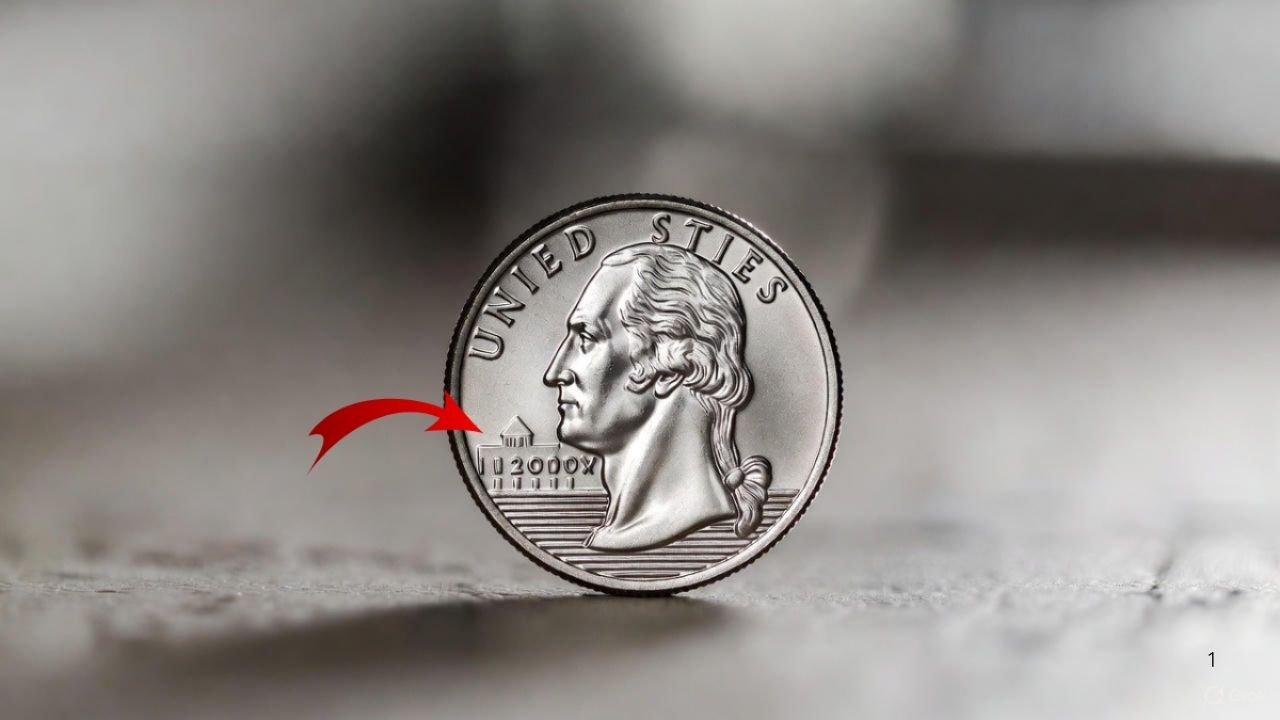
The 1976 Bicentennial Quarter celebrates 200 years of American independence, but while billions were minted, a select few have become some of the most valuable coins in U.S. history. Certain rare varieties, caused by minting errors, experimental planchets, or high-grade conditions, can fetch up to $4 million. For collectors and investors, knowing how to spot these coins is essential. Even a quarter found in old coin jars or inherited collections could be a life-changing discovery.
Why Some Bicentennial Quarters Are Worth Millions
Most 1976 quarters were produced in large numbers, keeping their value close to face value. However, rare anomalies set some apart:
- Silver Planchet Errors: Quarters accidentally struck on 40% silver blanks intended for collector sets.
- Double-Die Errors: Design or lettering appears doubled due to misaligned strikes.
- Off-Center Strikes: Partial designs caused by misaligned dies.
- High-Grade Mint State Coins: Flawless quarters graded MS67 or higher are sought after.
How to Spot a Rare 1976 Bicentennial Quarter
1. Check the Metal Composition
- Normal quarters: Copper-nickel with a core visible at the edge.
- Rare silver errors: 40% silver, heavier (approx. 5.75g vs 5.67g).
- Silver edges have a consistent gray color, not the typical copper center.
2. Look for Double-Die Errors
- Doubling may appear on the date, LIBERTY, or the drummer boy design on the reverse.
- Shadowed or duplicated text signals a potential rare variety.
- Professional evaluation is recommended if doubling is detected.
3. Examine Condition
- Flawless surfaces and sharp details greatly increase value.
- Coins graded MS67 or higher are highly prized.
- Proper storage in airtight holders prevents wear and preserves luster.
4. Check for Off-Center Strikes
- Partial designs indicate a misaligned die during minting.
- The more pronounced the off-center strike, the higher the potential value.
Tips for Evaluating Your Quarter
- Use a magnifying glass to spot doubling, errors, or anomalies.
- Weigh the coin to detect silver planchet errors.
- Compare edges and color with standard quarters.
- Consult professional grading services like PCGS or NGC for authentication and appraisal.
FAQs
1. Can a regular 1976 quarter be worth $4 million?
Only rare varieties with silver errors, double dies, or ultra-high grades can reach this value.
2. How can I tell if my quarter is silver?
Silver coins are heavier and have a consistent gray edge; they also do not stick to a magnet.
3. What is a double-die error?
It occurs when the coin is struck twice slightly off alignment, causing duplicated letters or design elements.

4. Does condition really affect value?
Yes, even rare coins in low grades are worth less than high-grade examples with full detail and luster.
5. Where might these coins be found?
Old coin jars, inherited collections, bank rolls, or even forgotten storage boxes.
Conclusion
The 1976 Bicentennial Quarter is more than a piece of pocket change—it’s a potential treasure for collectors and investors. By carefully checking metal composition, errors, strikes, and condition, you can identify rare examples that command millions in today’s market. Take a close look at your quarters—you may already be holding a piece of history and a life-changing coin.