
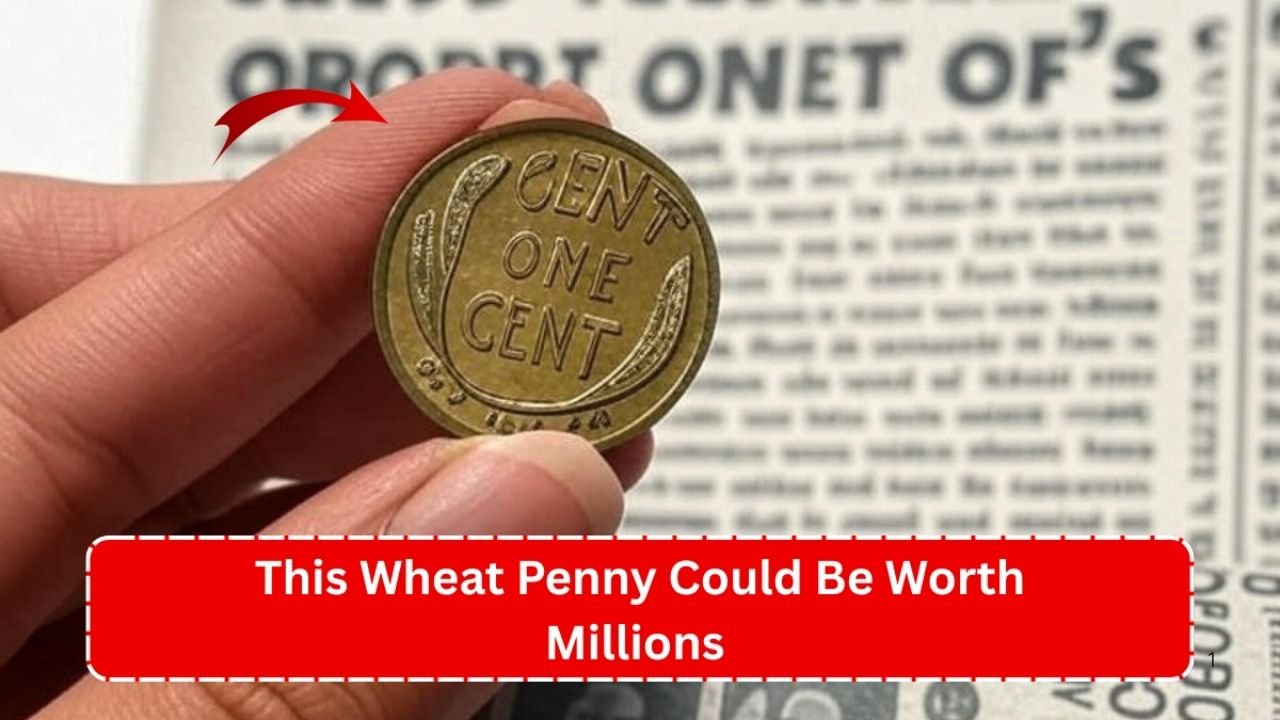
The Lincoln Wheat Penny is one of the most iconic coins in American history. Minted from 1909 to 1958, these pennies were produced in billions, yet certain years and mint marks make some coins extremely valuable. Whether you’re a collector or simply checking your old change, knowing Wheat Penny values by year can help you uncover hidden treasures.
Why Wheat Pennies Are Collectible
- Historical Significance: Features Abraham Lincoln on the front and two wheat stalks on the reverse, symbolizing prosperity.
- Limited Mintage Years: Some coins were produced in smaller numbers, making them rare today.
- Minting Errors: Varieties like double dies, off-center strikes, or missing mint marks dramatically increase value.
- Condition Matters: Coins in uncirculated or high-grade condition (MS60+) are significantly more valuable.
Key Wheat Penny Years and Values
Here’s a quick guide to the most sought-after Wheat Pennies:
| Year | Mint Mark | Approx. Value (Circulated) | Notes |
|---|---|---|---|
| 1909 | S VDB | $1,200 – $50,000+ | First year, designer initials V.D.B. |
| 1909 | S | $400 – $10,000 | Rare San Francisco strike |
| 1914 | D | $1,500 – $25,000 | Low mintage, highly collectible |
| 1922 | No D | $20,000 – $50,000+ | Missing mint mark error |
| 1931 | S | $800 – $2,500 | Low mintage San Francisco coin |
| 1943 | Bronze | $300,000 – $1,700,000+ | Rare WWII copper error |
| 1944 | Steel | $75,000 – $200,000 | Uncommon metal error |
| 1955 | Doubled Die | $1,000 – $10,000+ | Famous doubled die variety |
| 1958 | P | $0.50 – $3 | Common final-year penny |
How to Identify Valuable Wheat Pennies
1. Check the Date and Mint Mark
- Look under the date for D (Denver), S (San Francisco), or no mint mark (Philadelphia). Rare combinations can fetch high prices.
2. Inspect for Errors
- Doubled dies: Letters or numbers appear doubled.
- Off-center strikes: Parts of the design are missing.
- Missing mint marks: Extremely rare and highly collectible.
3. Examine the Metal
- Most 1943 pennies are steel; bronze versions are highly valuable.
- Early copper pennies are generally more collectible.
4. Assess Condition
- Circulated: Minor wear, modest value.
- Uncirculated / MS60+: Premium, significantly higher market value.
5. Use a Magnifying Glass
- Look for tiny details such as doubling, misalignment, or faint mint marks. These subtle features often make the difference between a common penny and a valuable find.
Why Professional Grading Matters
Services like PCGS and NGC can:
- Authenticate your coin.
- Assign an official grade reflecting collector quality.
- Increase market value, especially for rare or error coins.
For example, a 1909-S VDB in MS65 can sell for over $50,000, while the same coin in Good condition might be worth only around $1,200.
Where to Find Wheat Pennies
- Coin jars at home
- Bank rolls
- Estate sales or inherited collections
- Flea markets and garage sales
- Local coin shops
Even pennies that appear ordinary could be worth thousands if they are rare years, mint marks, or errors.
FAQs

1. What makes a Wheat Penny valuable?
Rarity, mint mark, errors, and condition drive value.
2. Are all 1943 pennies steel?
No, a few rare 1943 bronze pennies exist and can be worth millions.
3. How do I check for doubled dies?
Use a magnifying glass to look for letters or numbers that appear doubled.
4. Should I get my Wheat Penny graded?
Yes, professional grading authenticates the coin and increases resale value.
5. Where are the mint marks located?
Under the date on the obverse side. Philadelphia pennies have no mint mark.
Conclusion
Understanding Wheat Penny values by year is essential for spotting hidden treasures in your pocket change. From the 1943 bronze penny to the 1909-S VDB, even a single coin could be worth a small fortune. Take a closer look at your collection—you may be holding a piece of history that’s far more valuable than you think.