
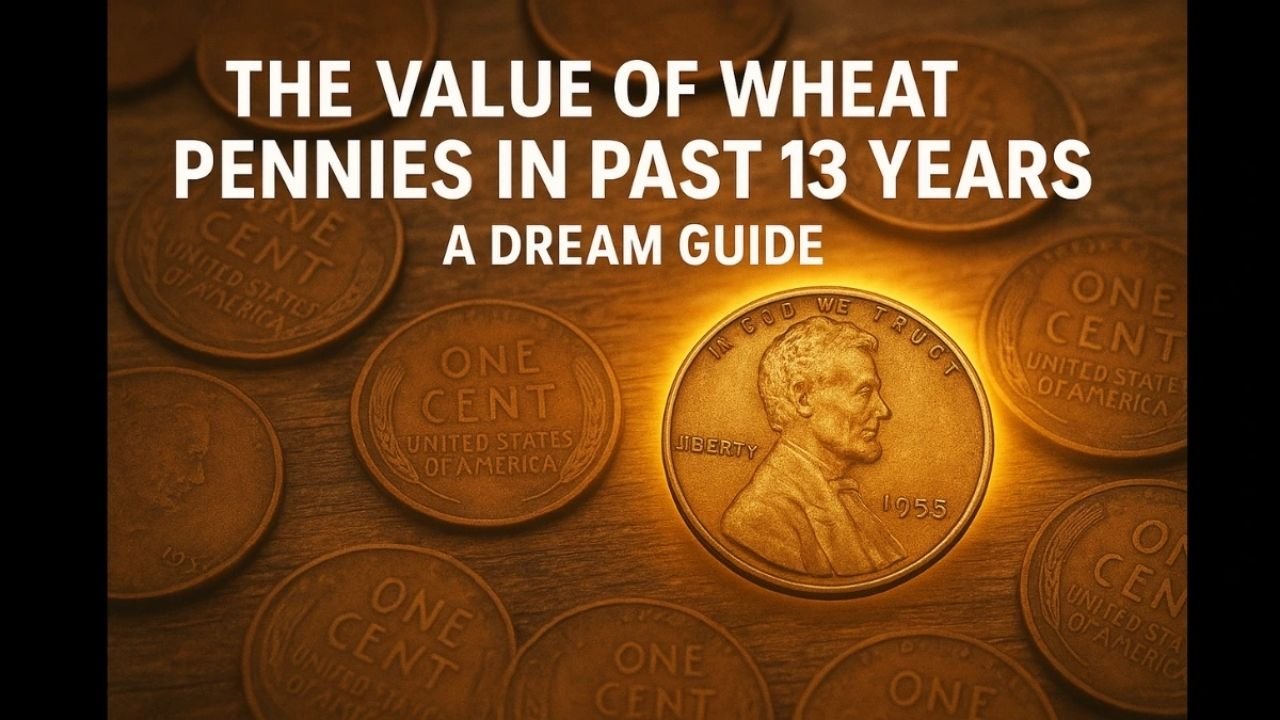
What if the forgotten jar of pennies in your house is hiding a small fortune? Over the past 13 years, Wheat Penny values have surged—turning these simple copper coins into some of the most exciting finds for collectors. Minted from 1909 to 1958, the iconic Lincoln Wheat Cents carry rich history, classic design, and surprising value spikes. From the famous 1943 bronze error to high-grade early dates, this guide breaks down how prices have changed from 2012 to 2025 and how to spot potentially valuable coins.
Why Wheat Pennies Became So Popular
Wheat Pennies have always held a special place in American history, but the last decade has supercharged their popularity. First issued in 1909 to honor Abraham Lincoln, these coins feature the famous wheat-stalk reverse and were produced during major events like the Great Depression and World War II. Their value comes from:
- Low-mintage key dates
- Mint mark variations
- Wartime metal changes
- Striking errors like doubled dies or bronze mistakes
- Condition and color (especially bright “Red” uncirculated cents)
Since 2012, the rare coin market has grown fast—driven by social media coin hunts, rising copper prices, and easier access to auctions. Many common Wheat Pennies have doubled in value, while rare varieties have reached eye-popping prices.
How Wheat Penny Values Changed: 2012 vs. 2025
The last 13 years brought steady growth across almost all date ranges. Common circulated coins rose by 20–50%, while high-grade pieces jumped by 100–300%.
Average Value Growth for Common Dates
| Year Range | Value in 2012 | Value in 2025 | Typical Uncirculated Premium |
|---|---|---|---|
| 1920–1930 | $0.05–$0.25 | $0.10–$0.50 | +$5–$50 |
| 1940–1950 | $0.02–$0.10 | $0.05–$0.20 | +$2–$20 |
| 1955–1958 | $0.03–$0.15 | $0.08–$0.30 | +$3–$30 |
High-grade Wheat Pennies with strong red luster (MS65+ RD) have seen the biggest jump. A coin selling for $500 in 2012 can now bring over $5,000 at major auctions.
The Most Valuable Wheat Pennies Sold (2012–2025)

A few legendary Wheat Pennies have dominated headlines:
- 1943-D Bronze Cent – $840,000 (2021 sale)
- 1943-S Bronze Cent – $504,000 (2020 sale)
- 1909-S VDB – $2.3 million (2018 private sale)
- 1914-D Lincoln Cent (MS67+ RD) – $32,900 (2022 sale)
- 1955 Doubled Die Obverse – $180,000 (2019 sale)
- 1944 Steel Cent – $115,000
Error coins from the World War II era—especially bronze 1943 cents—remain the top dream finds for collectors.
Why Wheat Pennies Are Rising in Value
Several factors are fueling demand:
- Growth of YouTube and TikTok coin-hunting channels
- More millennials entering the hobby
- Online auctions increasing accessibility
- Inflation boosting metal-based collectibles
- Rising nostalgia with talk of removing the penny

At the same time, experts warn that counterfeits have also increased. Certification from PCGS or NGC is more important than ever.
How to Search for and Preserve Wheat Pennies
Where to Find Them
- Old change jars and boxes
- Bank penny rolls ($25 boxes)
- Antique stores or flea markets
- Coin shows and estate sales
What to Look For
- Key dates: 1909-S VDB, 1914-D, 1922 No D, 1931-S
- Errors: doubled dies, off-center strikes, repunched mint marks
- Metal anomalies: the 1943 bronze or 1944 steel cent
- Strong luster and no cleaning marks
Preservation Tips
- Never clean coins—this destroys value
- Use acid-free holders or coin flips
- For rare finds, get professional grading
- Regularly follow price guides like PCGS and Greysheet
Why Wheat Pennies Still Captivate Collectors
Wheat Pennies represent more than monetary value—they reflect America’s past. Soldiers carried them in wartime, families used them during the Depression, and collectors today cherish them for their history. As demand grows and the penny’s future comes into question, these coins continue to shine as one of the most rewarding entry points into numismatics.
FAQs
1. Have Wheat Penny values really doubled since 2012?
Yes. Many key dates and high-grade examples have doubled or tripled in auction value.
2. What is the most expensive Wheat Penny sold recently?
The 1943-D Bronze Cent sold for $840,000 in 2021.
3. Are common Wheat Pennies worth collecting?
Absolutely—they hold historical value and can complete sets that steadily appreciate.
4. How can I identify valuable errors?
Use a magnifier to spot doubling, mis-strikes, or unusual colors. Reference photos online for comparison.
5. Will Wheat Pennies continue rising in value?
Experts expect steady growth, especially for certified rare dates and dramatic errors.
Conclusion
From small pocket change in 2012 to major auction highlights in 2025, Wheat Pennies have proven that even the humblest coins can hold incredible value. Whether you’re hoping to find a six-figure error or simply want to build an affordable date set, now is the perfect time to explore this fascinating part of coin collecting. Start searching your old jars, study key dates, consider grading for special finds, and enjoy the thrill of uncovering hidden treasure—one penny at a time.