
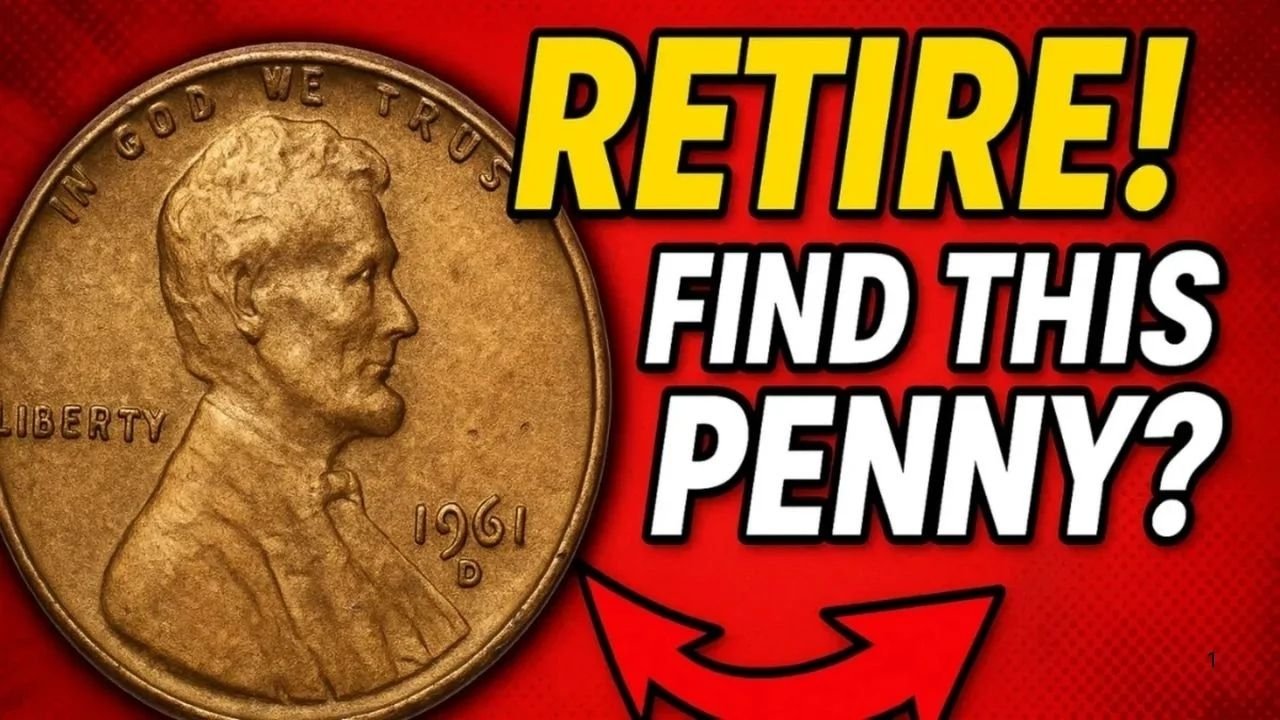
You probably toss pennies into jars without a second thought—but one 1943 bronze Lincoln penny recently sold for an eye-popping $21 million. That’s more than many luxury cars! How did a coin worth just one cent become a multi-million-dollar treasure? The secret lies in a wartime minting error, extreme rarity, and high collector demand.
The Story Behind the 1943 Bronze Penny
During World War II, copper was essential for ammunition and electrical wiring. To conserve it, the U.S. Mint switched to zinc-coated steel pennies in 1943. These silver-colored coins were produced in the hundreds of millions.
However, a few bronze planchets from 1942 accidentally slipped through, creating the ultra-rare 1943 bronze pennies. With only 15–20 verified examples worldwide, this mistake became one of the most legendary in U.S. coin history.
Why This Penny Reached $21 Million
Several factors contributed to its astronomical value:
1. Extreme Rarity
- Fewer than 20 authentic coins exist
- Scarcity drives intense competition among collectors
2. Impeccable Condition
- The record penny sold graded MS-64, nearly flawless
- Sharp details, original luster, and professional authentication increase value
3. Historical Significance
- Minted during a critical wartime period as a mistake
- Its story adds emotional and historical appeal beyond its metal content
4. Collector Demand
- Auctions, media coverage, and documentaries amplify interest
- Serious collectors bid aggressively for one-of-a-kind examples
Record Sales of Rare Pennies
| Year & Type | Auction Price | Grade | Year Sold |
|---|---|---|---|
| 1943 Bronze (Philadelphia) | $21,000,000 | MS-64 | 2024 |
| 1943-D Bronze | $1,700,000 | MS-64 BN | 2010 |
| 1943-S Bronze | $1,050,000 | MS-63 | 2022 |
| 1944 Steel (error) | $373,750 | MS-64 | 2021 |
| 1955 Doubled Die Obverse | $124,000 | MS-65 RD | Recent |
Even circulated bronze pennies now fetch $200,000–$500,000, showing how rarity can skyrocket a coin’s value.
Could You Still Find a 1943 Bronze Penny?

Yes! Discoveries still happen. In 2019, a Massachusetts teenager found one in his lunch change. Certified authentic, it sold for $204,000.
How to Spot a Real 1943 Bronze Lincoln Penny
Quick At-Home Checks:
- Date: Must be 1943
- Weight: Bronze ≈ 3.11 g, Steel ≈ 2.70 g
- Magnet Test: Bronze pennies do not stick
- Color: Coppery brown or red, not silver-gray
- Mint Mark: None, “D,” or “S” under the date
Pro Tips for Collectors:
- Buy old bank-wrapped rolls from the 1950s–1970s
- Check eBay “wheat penny” lots for unsearched coins
- Use a digital scale for quick verification
- Focus on key rare errors: 1943 bronze, 1944 steel, 1955 doubled die, 1909-S VDB
- Never clean coins; original surfaces hold the most value
FAQs: 1943 Bronze Lincoln Penny
Q1: Are all 1943 pennies valuable?
A: No—most are steel and worth only 10–50 cents.
Q2: Can I submit my penny for grading?
A: Yes, reputable services like PCGS or NGC accept submissions starting around $20–$40.
Q3: What if a copper-colored penny sticks to a magnet?
A: It’s likely a copper-plated steel fake. Only genuine bronze passes the magnet test.
Q4: Could I realistically find one today?
A: Extremely rare, but discoveries still occur decades later.
Q5: How should I protect a rare penny?
A: Handle with gloves, avoid cleaning, photograph it, and submit it for professional grading.
Conclusion
The 1943 bronze Lincoln penny proves that even the smallest coin can hold tremendous value when rarity, history, and condition align. That jar of pennies in your drawer might contain a hidden fortune—or even a multi-million-dollar coin. Grab a magnet, a scale, and start inspecting your change—the next $21 million discovery could be yours.