
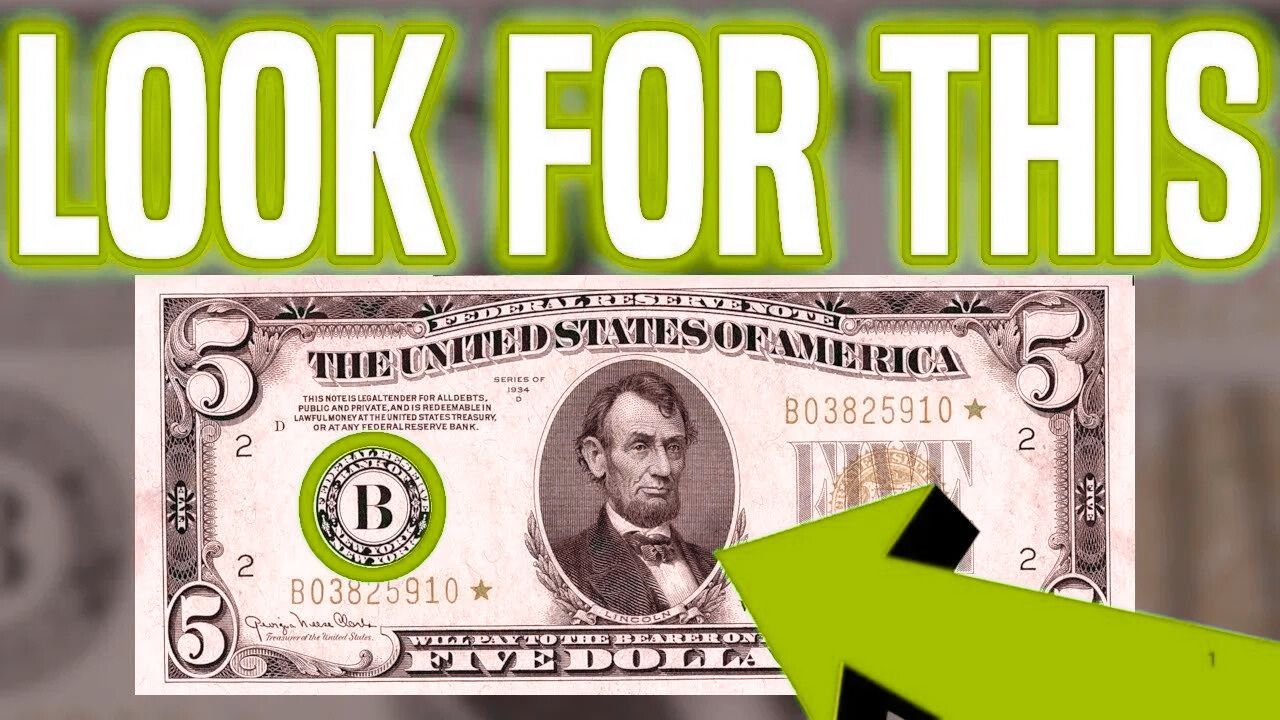
Most people never think twice about the money in their wallet, but a simple glance could reveal a hidden treasure. One of the most sought-after modern currency mistakes is the 1995 $5 bill with an upside-down Treasury seal — a rare printing error that has turned ordinary cash into a high-value collectible. If you’re holding one, it could be worth hundreds or even thousands of dollars.
Why the 1995 $5 Upside-Down Seal Error Is So Valuable
The Series 1995 five-dollar bill comes from an era before today’s security-enhanced designs. These older notes feature:
- Abraham Lincoln on the face
- The Lincoln Memorial on the reverse
During production, the printing process involves multiple steps, including the application of the green Treasury seal and serial numbers. For a very small number of notes, the sheet was accidentally flipped before this final step. As a result, the green seal printed upside-down — a dramatic error that normally would never leave the Bureau of Engraving and Printing.
Because most printing mistakes are caught and destroyed, only a few escaped into circulation, making this one of the rarest modern U.S. currency errors known.
How to Identify a Genuine 1995 $5 Upside-Down Seal Note
Spotting the error is straightforward once you know what to look for. Use the checklist below:
1. Confirm the Series Year

Look just below Lincoln’s left shoulder. The bill should read:
Series 1995
2. Inspect the Green Treasury Seal
This is the key identifier. On the right side of the portrait, the green Treasury seal will appear perfectly upside-down, rotated 180 degrees.
3. Check the Serial Numbers
Depending on how the sheet was flipped, the serial numbers may appear inverted, tilted, or slightly misaligned. While this doesn’t happen on every error note, it’s common and can boost the value.
4. Evaluate Overall Condition
Condition matters more for currency than many collectors realize.
- Crisp, uncirculated notes bring the strongest premiums.
- Creases, folds, stains, or heavy wear reduce the value.
If your bill looks nearly new, it’s worth getting it authenticated.
How Much Is a 1995 $5 Upside-Down Seal Bill Worth?
Market values vary based on condition and professional grading. Current estimates:
- Circulated condition: $500–$1,500
- Uncirculated or professionally graded: $2,000–$3,000+
Notes certified by PMG (Paper Money Guaranty) or PCGS Currency consistently bring the highest auction results.
How to Confirm Your Bill Is Authentic
Because valuable error notes can attract counterfeits, proper verification is important. Follow these guidelines:
- Submit the bill to PMG or PCGS Currency for grading.
- Do not clean, flatten, iron, or press the note. Alterations can permanently reduce value.
- Review authenticated examples from reputable numismatic resources.
- Avoid selling before you have a professional opinion.
Where to Sell a Rare Currency Error
Once authenticated, you have several strong selling options:
- Licensed coin and currency dealers
- Major auction houses, including Heritage Auctions and Stack’s Bowers
- Trusted online collector marketplaces and currency forums
Selling through professional outlets ensures accurate pricing and buyer trust.
FAQs About the 1995 $5 Upside-Down Seal Error
What caused the upside-down seal error?
The sheet was flipped before the printing stage that adds the green Treasury seal and serial numbers.
How rare is this error?
Extremely rare. The vast majority of misprinted sheets are spotted and destroyed before leaving the printing facility.
What is the bill worth today?
Most sell between $500 and $3,000 depending on grade, condition, and certification.
How can I authenticate the note?
Submit it to PMG or PCGS Currency for expert verification and encapsulation.
Should I clean or press the bill to improve condition?
No. Any cleaning or flattening can severely reduce value and may prevent grading.
Conclusion: Don’t Spend Rare Money by Accident
The 1995 $5 upside-down seal error is a perfect example of how highly collectible mistakes can hide in everyday circulation. Before you use an old $5 bill, take a moment to look it over — you could unknowingly be holding a rare printing error worth thousands of dollars. Checking your cash could turn an ordinary moment into a surprising payday.